Protect Your Soundscape: Why National Protect Your Hearing Month Matters in Hawaii
Oct 15, 2026
The sounds around us shape so much of our everyday lives, from the gentle wash of waves to the lively buzz of a packed restaurant. They help us connect with the world, enjoy the moments that matter, and stay close to the people we love. Yet how often do we stop to think about protecting our hearing?
October is National Protect Your Hearing Month, making it an ideal time to take a closer look at your hearing health and the simple steps you can take to protect it.
Looking after your hearing is an important part of your overall well-being, and a few simple habits can go a long way. From limiting excessive noise exposure to recognizing early signs of hearing challenges and seeking professional guidance, small steps can help you maintain healthy hearing over time.
Understanding Noise-Induced Hearing Loss
One of the most common forms of hearing damage is noise-induced hearing loss (NIHL). It occurs when loud sounds damage the delicate hair cells in your inner ear, whether from a single intense noise or repeated exposure over time.
Think about the sounds you encounter every day, from power tools and lawnmowers to loud concerts, water sports, and personal audio devices played at high volumes. Even activities that seem harmless can put your hearing at risk if the noise is loud enough or your exposure lasts too long.
The good news is that noise-induced hearing loss is preventable. By limiting exposure to loud sounds and using appropriate hearing protection, you can reduce your risk and help preserve your hearing for years to come.
Simple Steps to Protect Your Hearing Today
You don’t need to live in a world of silence to protect your ears. You can start with three simple, effective habits:
Turn it down. When listening to music or podcasts with headphones, a good rule of thumb is the 60/60 rule: Listen at no more than 60 percent of the maximum volume for no more than 60 minutes at a time.
Walk away. If you find yourself in a noisy environment, creating distance between you and the source of the sound can significantly reduce its impact on your ears.
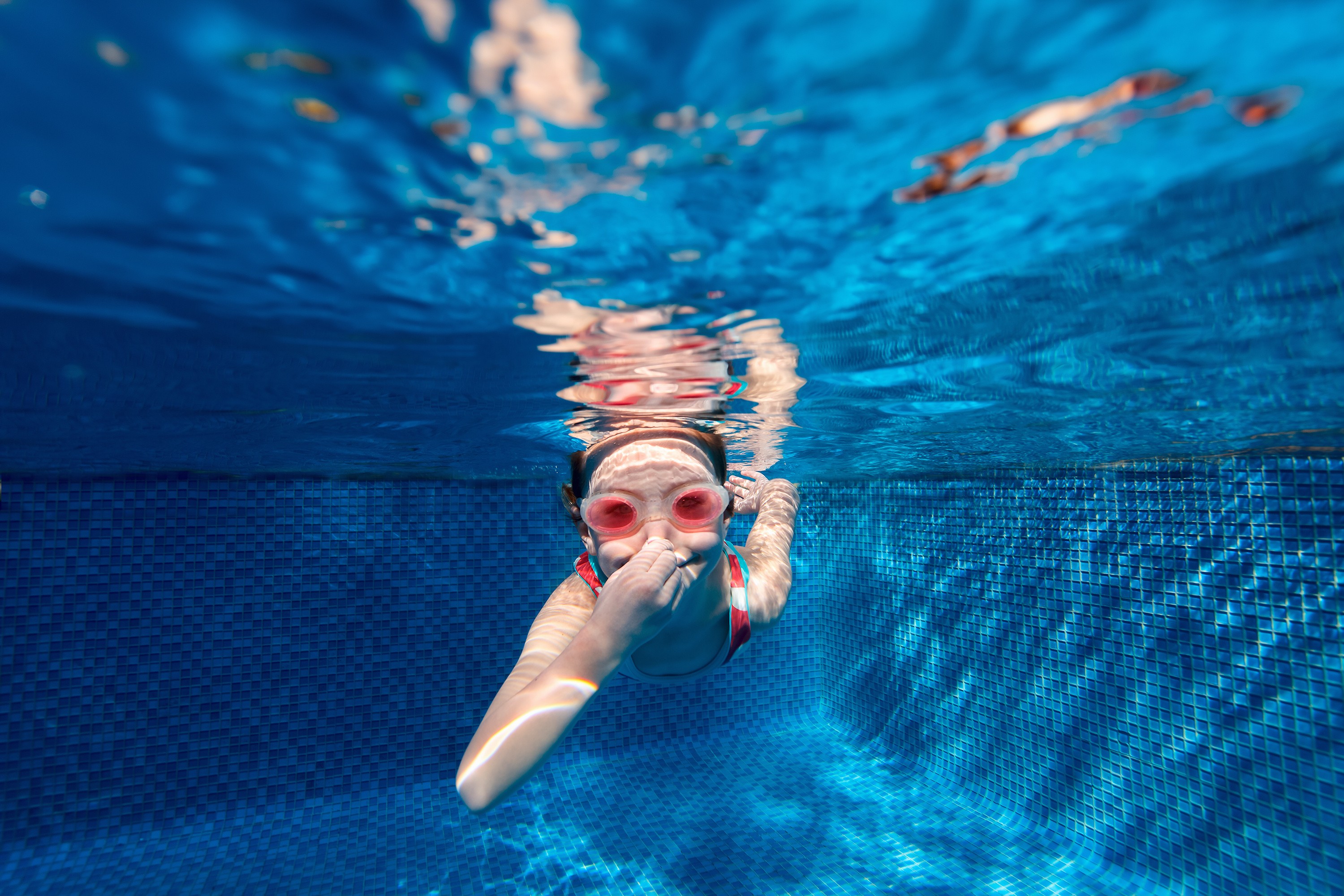
Protect your ears. For activities you know will be loud, whether you’re working with power tools, attending a concert, or even enjoying certain ocean sports, earplugs can help reduce your exposure to potentially damaging sounds.
For more tailored protection, properly selected custom-fitted earplugs offer a comfortable, secure fit and reliable noise reduction. They can be particularly helpful for musicians who want to preserve sound quality while reducing exposure to loud music. Surfers may also benefit from earplugs designed to help protect against cold water and wind exposure.
Signs It’s Time to Get Your Hearing Checked
Changes in your hearing can happen so gradually that you may not notice them at first. The people around you spot the difference before you do.
Here are some common signs to look out for:
Frequently asking friends or family to repeat themselves
Needing to turn up the TV or radio louder than others find comfortable
Struggling to follow conversations in noisy environments, such as restaurants
Feeling that others are mumbling or not speaking clearly
Experiencing persistent ringing, buzzing, or hissing in your ears, known as tinnitus
If any of these sound familiar, it may be time to schedule a hearing assessment. Even if you don’t have severe challenges, establishing a baseline gives you a clearer understanding of your hearing and makes it easier to identify changes over time. It’s a simple, proactive step toward taking care of your long-term hearing health.
Why Choose Hawaii Professional Audiology?
Choosing a hearing care provider is a personal decision, and you deserve a team that takes the time to understand your concerns and help you feel confident about your care.
Hawaii Professional Audiology is an independent, locally owned practice with over 35 years of service to our community, and we believe that exceptional care starts with getting to know you. Your lifestyle and personal goals matter, which is why we take the time to understand what you’re experiencing before recommending a solution.
Our comprehensive diagnostic evaluations go beyond a basic screening to give you a clearer understanding of your hearing health. Whether you’re exploring advanced hearing aids, seeking relief from tinnitus, or looking for custom hearing protection, we’ll work with you to find an approach that fits your needs and everyday life.
Contact Hawaii Professional Audiology today to schedule an appointment or request a callback. We’re here to answer your questions and help you feel confident about your next steps.
Frequently Asked Questions (FAQs)
Q: How can I tell when a place may be too loud for my ears?
A: Warning signs of excessive noise include needing to raise your voice to speak to someone nearby or experiencing muffled hearing or ringing in your ears afterward.
If you notice these symptoms, reduce your exposure by lowering the volume, moving away from the noise, or taking a break in a quieter space. For consistently noisy activities, use appropriate hearing protection to help reduce the risk of lasting damage.
Q: Can noise-induced hearing loss be reversed?
A: Damage to the inner ear caused by excessive noise is often permanent, making prevention especially important. Although hearing aids and other technologies can help manage hearing challenges, they cannot repair damaged sensory cells.
Limiting your exposure to loud noise and using appropriate hearing protection can help preserve your remaining hearing over time.
Q: Are custom earplugs better than disposable earplugs?
A: Both can provide effective protection when fitted and worn correctly. However, custom earplugs are molded to the shape of your ears so they offer a comfortable, secure fit that can be particularly beneficial for frequent or extended use. Some designs also feature acoustic filters that reduce sound levels while preserving the clarity of speech and music.
Source: